How many treatments are needed?
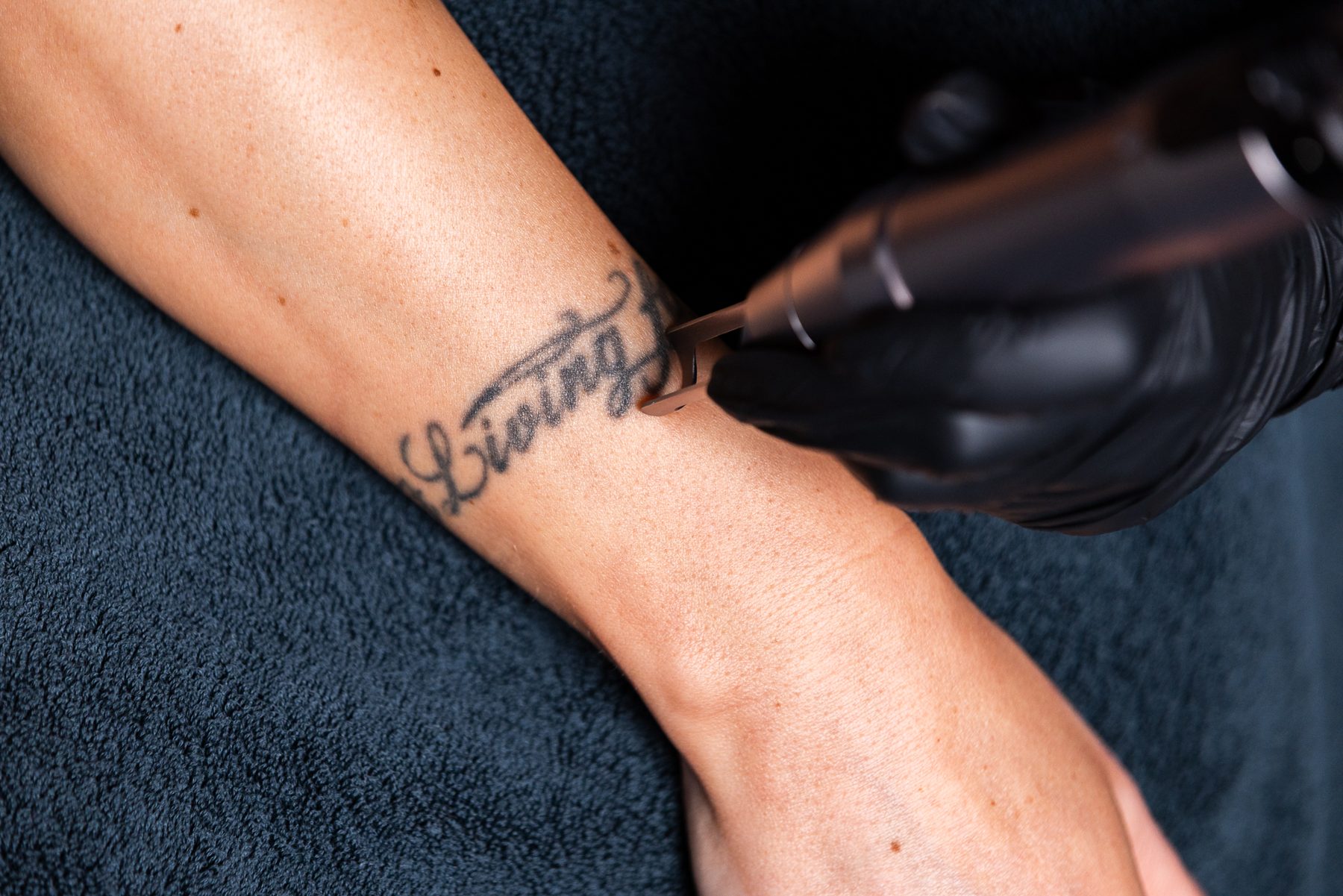
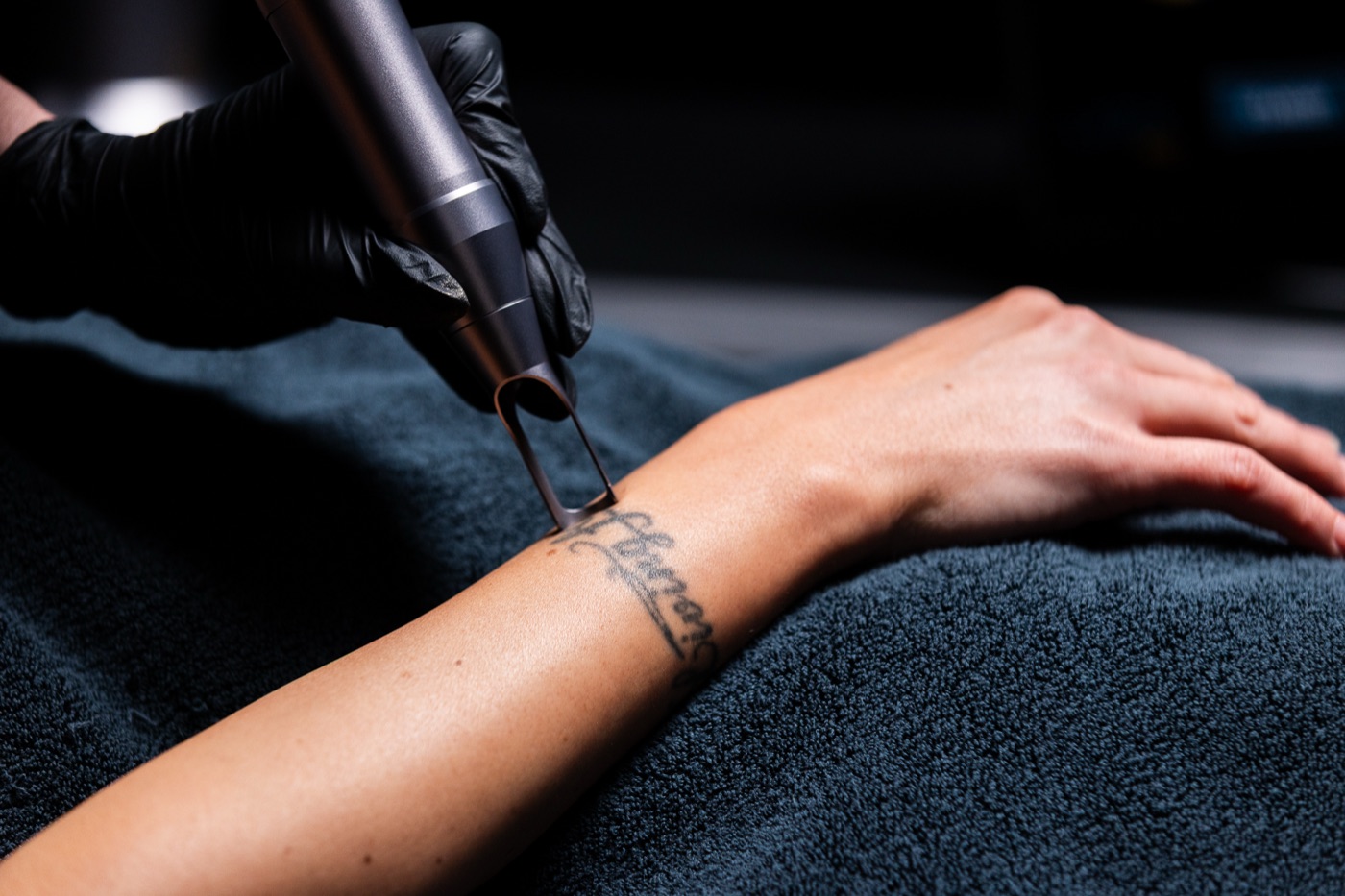
It depends on colour, depth, skin type and previous treatments. Tattoos almost always need a course, and 8–10 treatments is not unusual. Pigmentation is also treated over several sessions.
Can all colours be removed?
Four wavelengths target black, blue, red, orange, green and sky blue. How much fades varies with the ink, depth and skin, so no one can promise that a tattoo will disappear completely.
What does the treatment feel like?
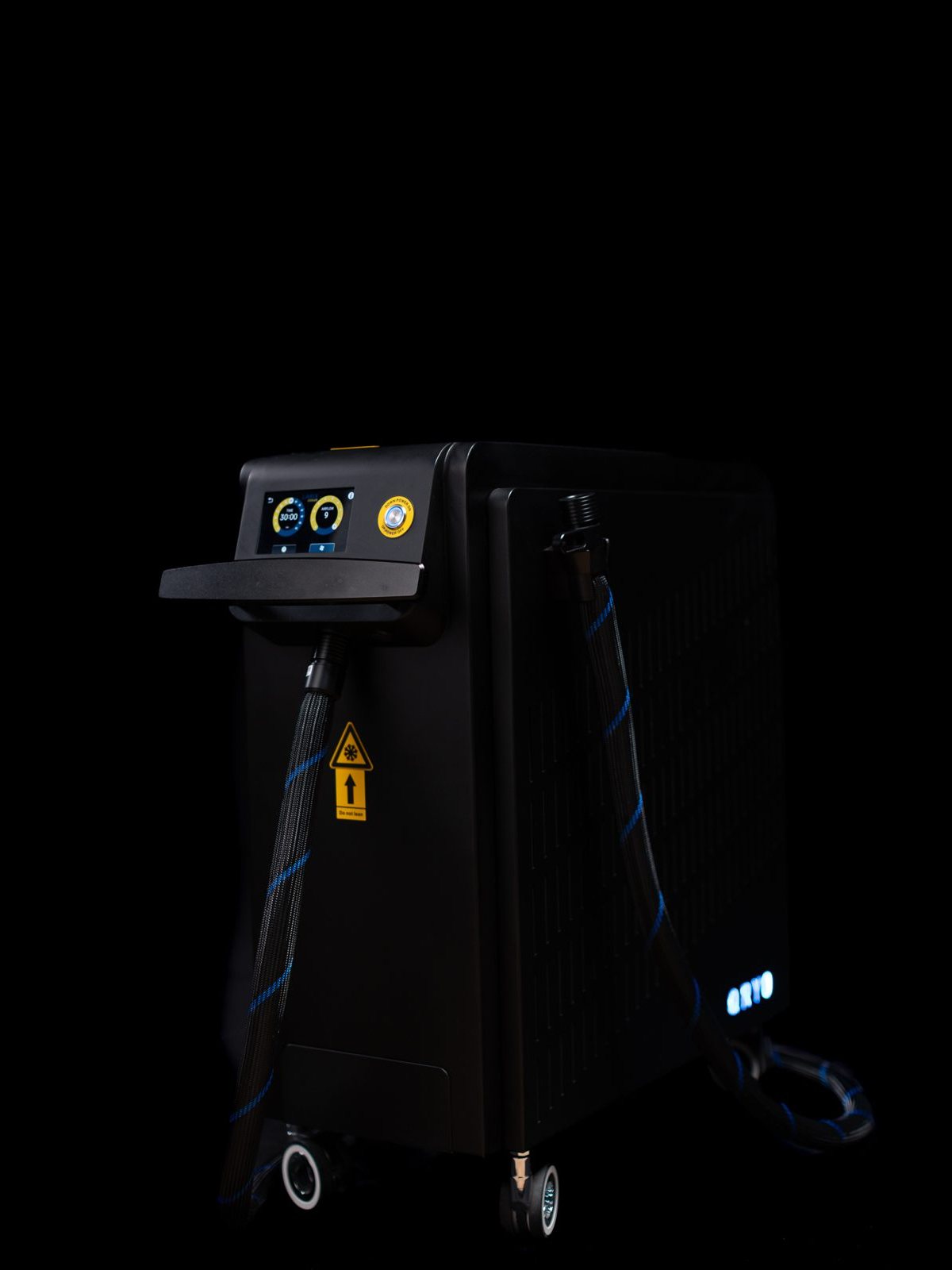
Like quick pinpricks on the skin. Cold air during the treatment makes it more comfortable, and the clinic can suggest a numbing cream.
Can a pico laser treat pigmentation spots?
Yes. Pico lasers are also used for freckles, age spots, melasma and uneven skin tone. Pigmentation always needs a skin assessment first, and results vary.
What should I do after the treatment?
Keep the area clean, avoid the sun and use sun protection. Do not take baths or use a sauna until the skin has healed.
Who should avoid treatment?
Reasons to avoid treatment include pregnancy and breastfeeding, active herpes or infection in the area, recently sunburnt skin and a recent course of isotretinoin. The clinic always goes through a health questionnaire first.