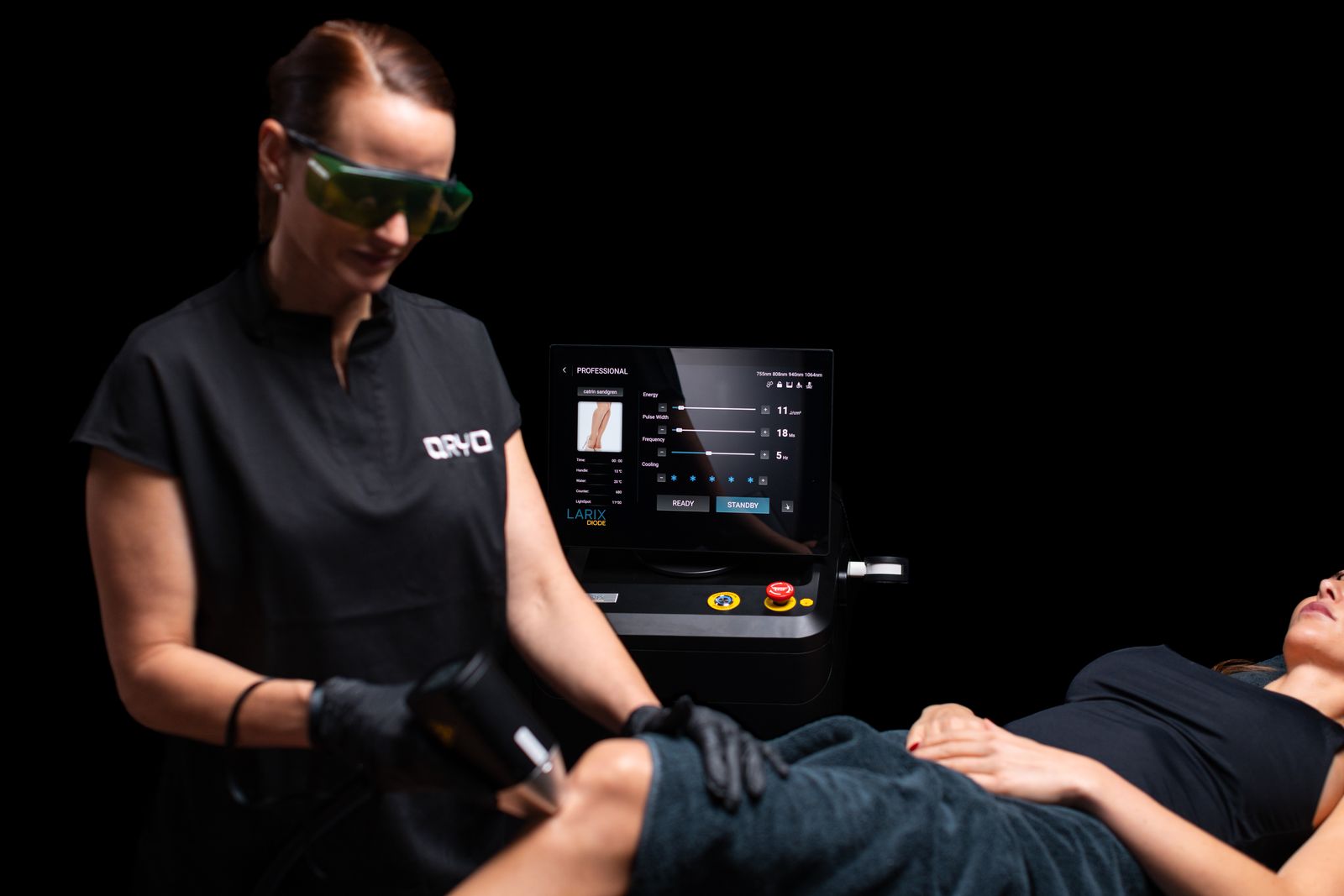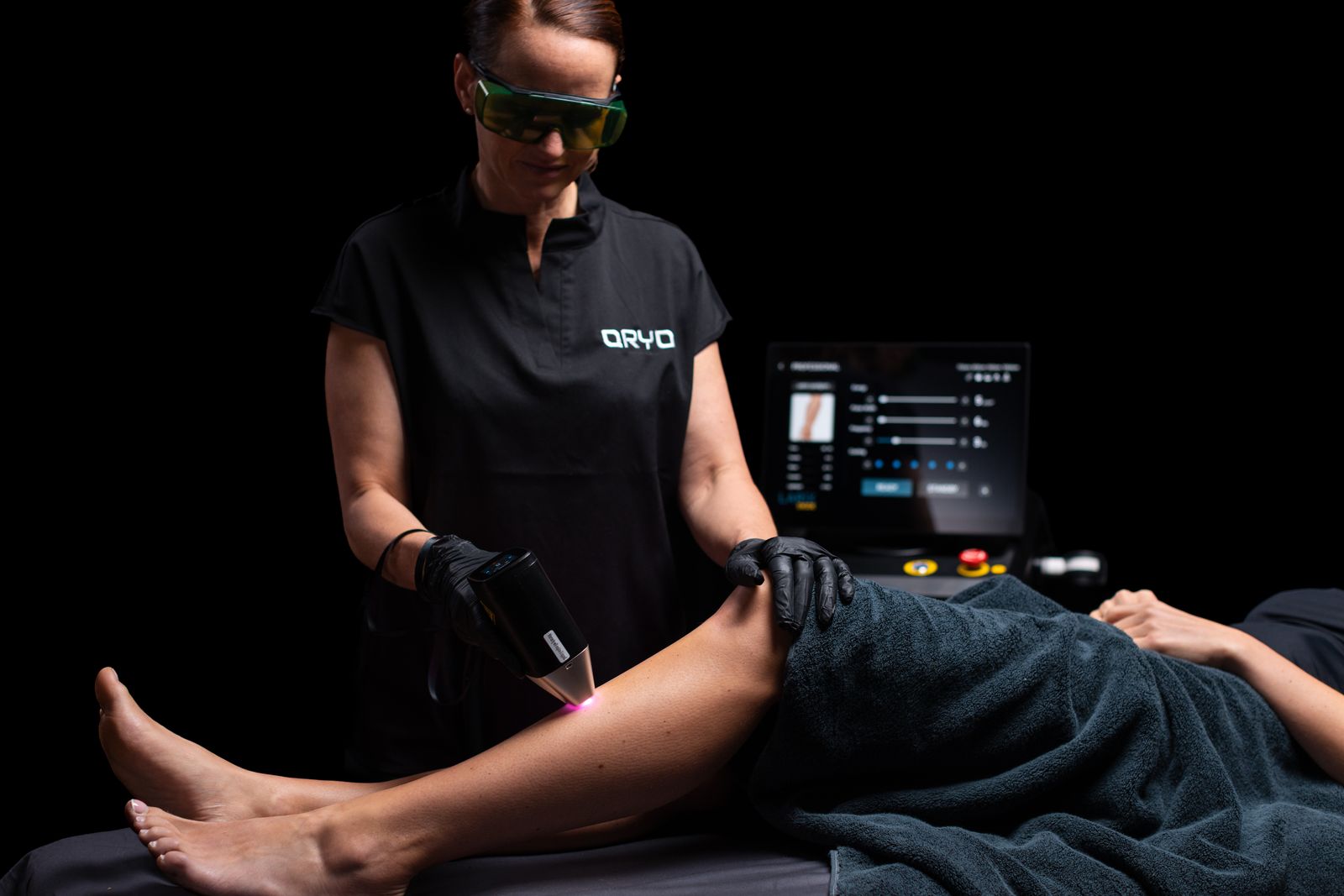
Hair removal is one of the most requested treatments at a clinic, and every client comes back for a full course. But diode lasers differ more than the data sheets suggest. This guide covers what really decides the result, safety and profitability.
Wavelengths and skin types
The diode laser heats the pigment (melanin) in the hair. The heat travels down to the hair root, which is deactivated. The challenge is that the skin also contains melanin. That is why the wavelength decides both how well the laser works on the hair and how safe it is on darker skin.
| Wavelength | Action | Best for |
|---|---|---|
| 755 nm | Highest absorption in melanin, most superficial | Fine and lighter hair, skin types I–III |
| 808–810 nm | High absorption, medium depth | Most clients, skin types I–IV |
| 940 nm | Lower absorption, deeper | Gentler on pigmented skin, skin types III–V |
| 1064 nm | Lowest absorption, deepest | Dark skin, skin types IV–VI |
A device with several wavelengths gives the practitioner range: the same handpiece can treat lighter hair on light skin, and dark skin, without changing device. If you want to treat all skin types, Fitzpatrick I–VI, ask how the device does it and with which settings.
White, grey and red hair responds less well to all lasers, because the pigment is missing or of the wrong type. This applies whatever the device.
Power and spot
Power is given in watts and is usually the biggest number in the brochure. But it is the energy per unit area, the fluence in J/cm², that reaches the hair follicle. It depends on the power, the pulse duration and the size of the spot.
- High power lets the device keep enough fluence even with a large spot and high frequency. This gives fast treatments on legs and backs.
- Large spot covers more area per pulse and takes the light deeper. A small spot is needed for the upper lip, chin and other small areas.
- Pulse duration controls how the heat is distributed. Longer pulses are gentler on dark skin, shorter pulses work better on fine hair.
- Frequency (Hz) decides how fast the practitioner can work with the gliding technique.
So never compare watts alone. Ask what fluence the device delivers at a given spot size and pulse duration, and how long a full leg treatment takes.
Cooling
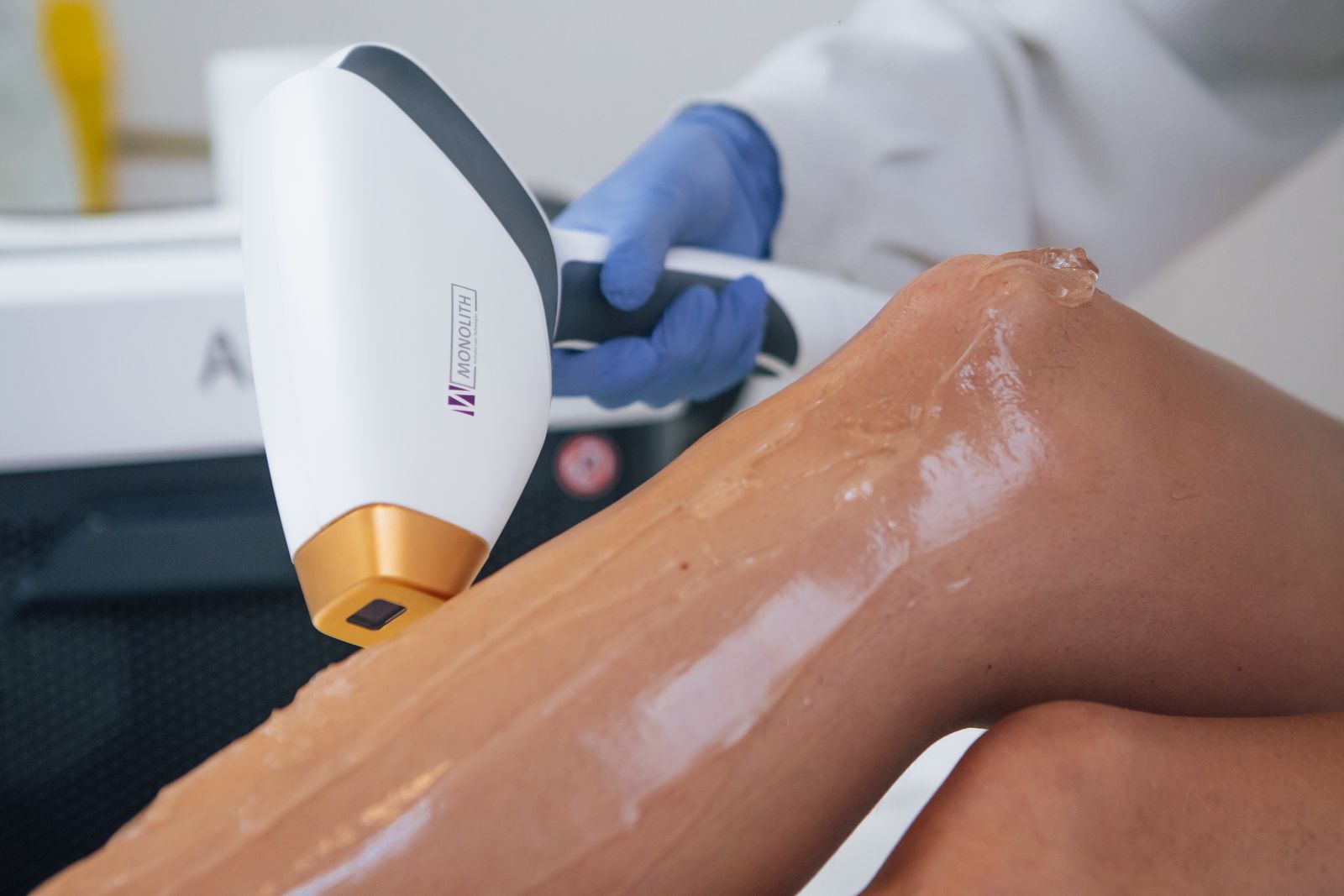
Cooling protects the outer skin while the heat works in the hair follicle. It affects both how the treatment feels for the client and how much energy the practitioner can use.
- Contact cooling in the handpiece cools the skin before, during and after the pulse. It is the most common and most effective option with the gliding technique.
- Water and air cool the diodes inside the device, so the power stays even during long treatments.
- Cold air coolers blow cold air onto the skin and can be used together with the laser for more comfort. See LARIX COOLER.
Also ask how long the handpiece lasts, counted in pulses, and what maintenance of the cooling system involves.
Questions to ask the supplier
- Which wavelengths does the device have, and how do I treat skin types V–VI?
- What fluence do I get with the spot size I will use most?
- How long do a full leg and a back take?
- How is the skin cooled, and how is the device cooled?
- How many pulses does the handpiece last, and what happens when it runs out?
- What training is included, where is it held and do staff get a certificate?
- What warranty applies, and how do service and spare parts work?
- Who answers when something goes wrong on an ordinary Tuesday?
- Will you help me find clients once the device is in place?
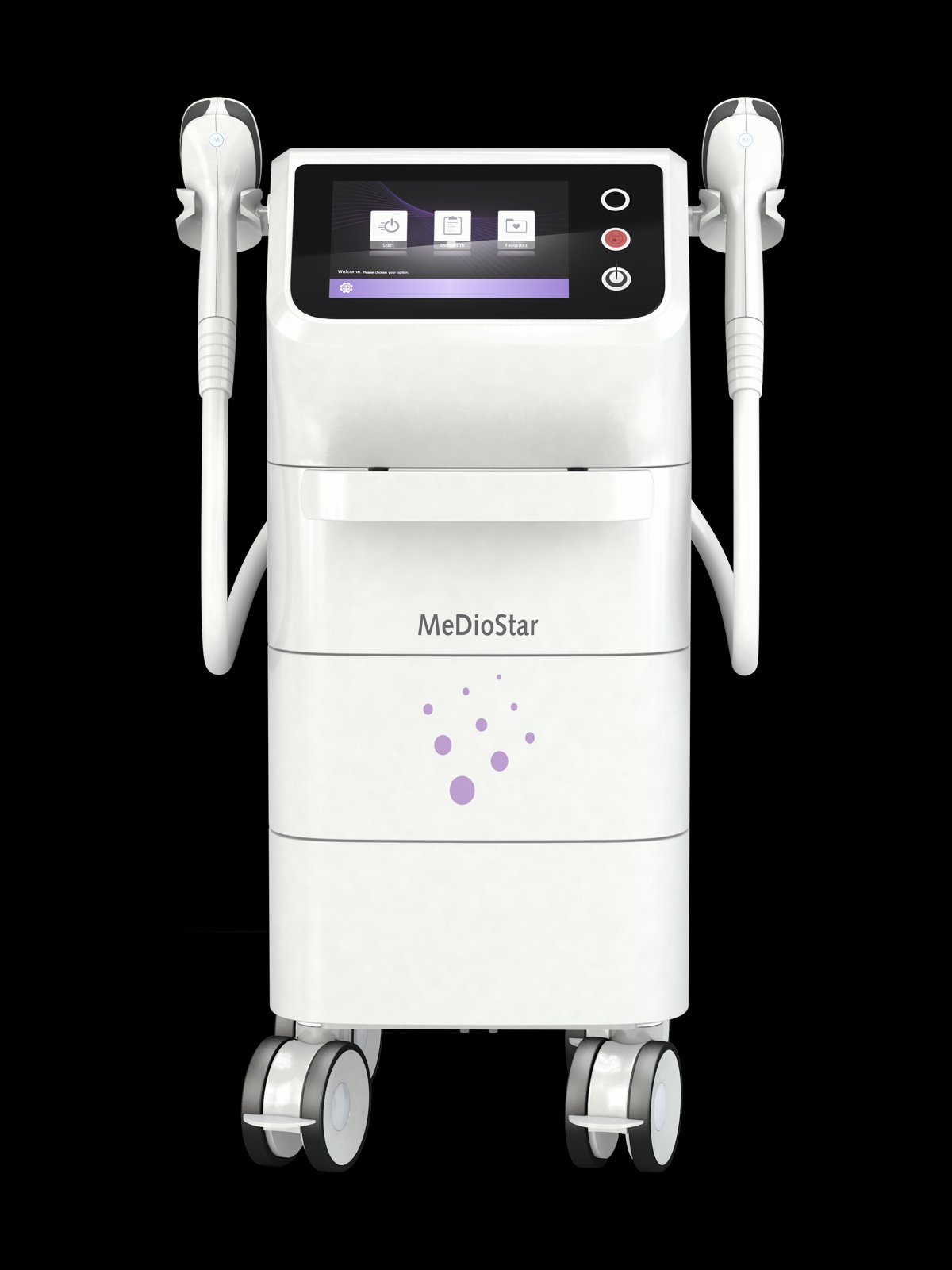
LARIX DIODE vs MEDIOSTAR
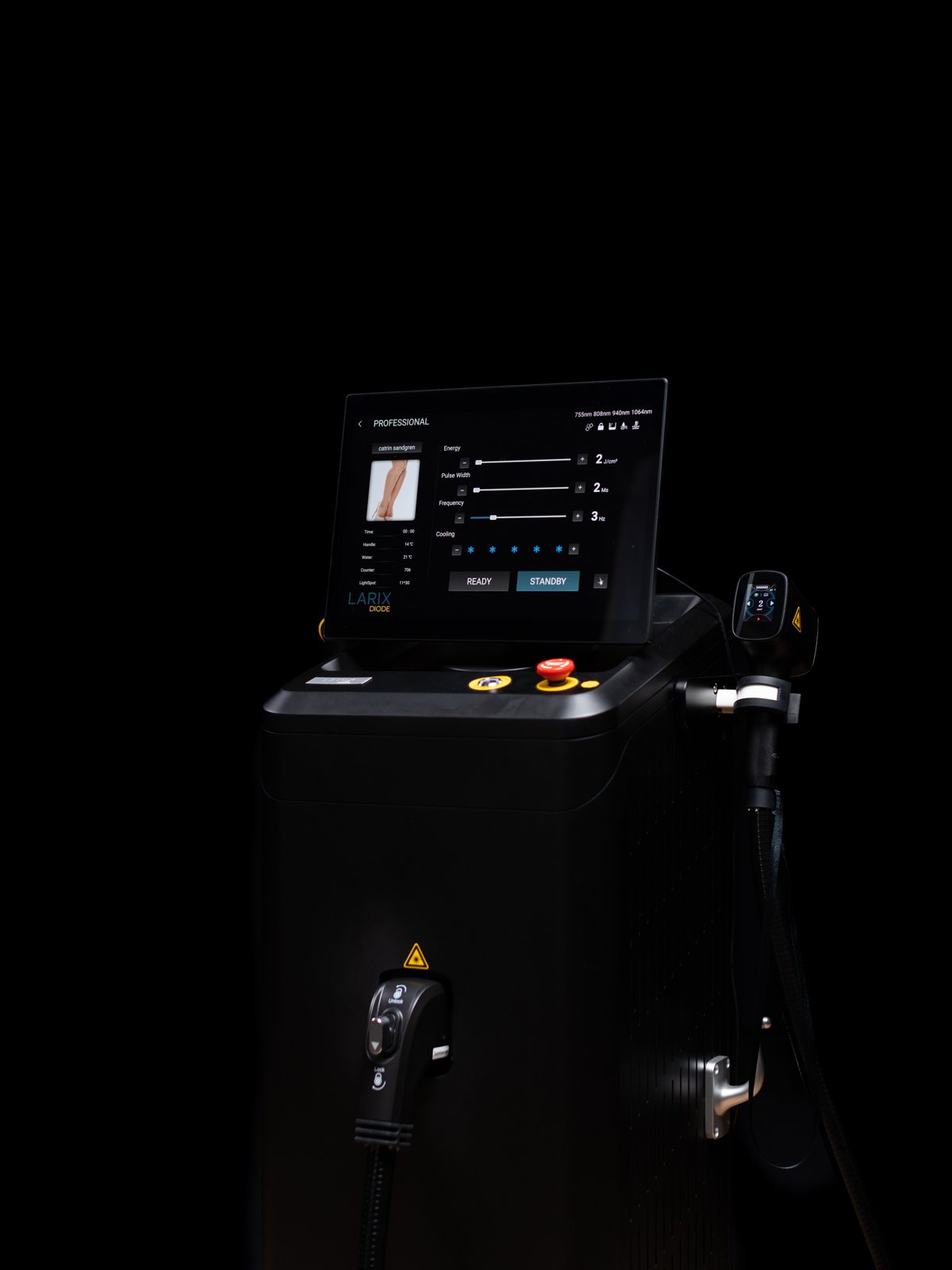
We sell two diode lasers. Both treat all skin types and come with training, support and a 2-year warranty. They differ in how they do it.
| LARIX DIODE | MEDIOSTAR | |
|---|---|---|
| Wavelengths | 755, 808, 940 and 1064 nm in one handpiece | 808 and 940 nm |
| Effect | 3000 W | Up to 5000 W |
| Spot | 12 × 30 mm | 1–10 cm², interchangeable handpieces |
| Fluence | 2–100 J/cm² | 1–60 J/cm² |
| Pulse duration | 2–125 ms | 3–400 ms |
| Frequency | 0.5–10 Hz | Up to 20 Hz |
| Cooling | Water, air and semiconductor | 360° contact cooling |
| Skin types | Fitzpatrick I–VI | Fitzpatrick I–VI |
| Weight | 62 kg | 65 kg with trolley |
| Origin | LARIX, QRYO's own laser range | Asclepion, Germany |
| Right for you if you | Want four wavelengths in one handpiece and a wide range of skin types | Want high power, large areas treated quickly and German premium technology |
| Marking | CE-marked | CE-marked |
Questions about diode lasers
How long-lasting is the result?
Laser gives a long-lasting reduction in hair growth. Individual hairs may come back and maintenance may be needed. Results vary between clients.
How many treatments does a client need?
Only hairs in the growth phase are affected each time. That is why the treatment is given as a course, usually 6–8 treatments 6–8 weeks apart, depending on the area, hair type and skin type.
Can a diode laser be used on dark skin?
Yes, with the right wavelength and settings. Longer wavelengths such as 940 and 1064 nm, and longer pulses, are gentler on pigmented skin. The treatment must always be adapted based on a skin assessment.
What is the difference between a diode laser and IPL?
A diode laser emits light at one set wavelength, while IPL emits a broad spectrum. A diode laser targets the energy more precisely at the hair pigment and is what clinics most often use for hair removal today.
Where can I see the devices?
We start with a demo on Teams or Meet. If you then want to try the device in person, we book a visit to our showroom in Gothenburg.